About the product
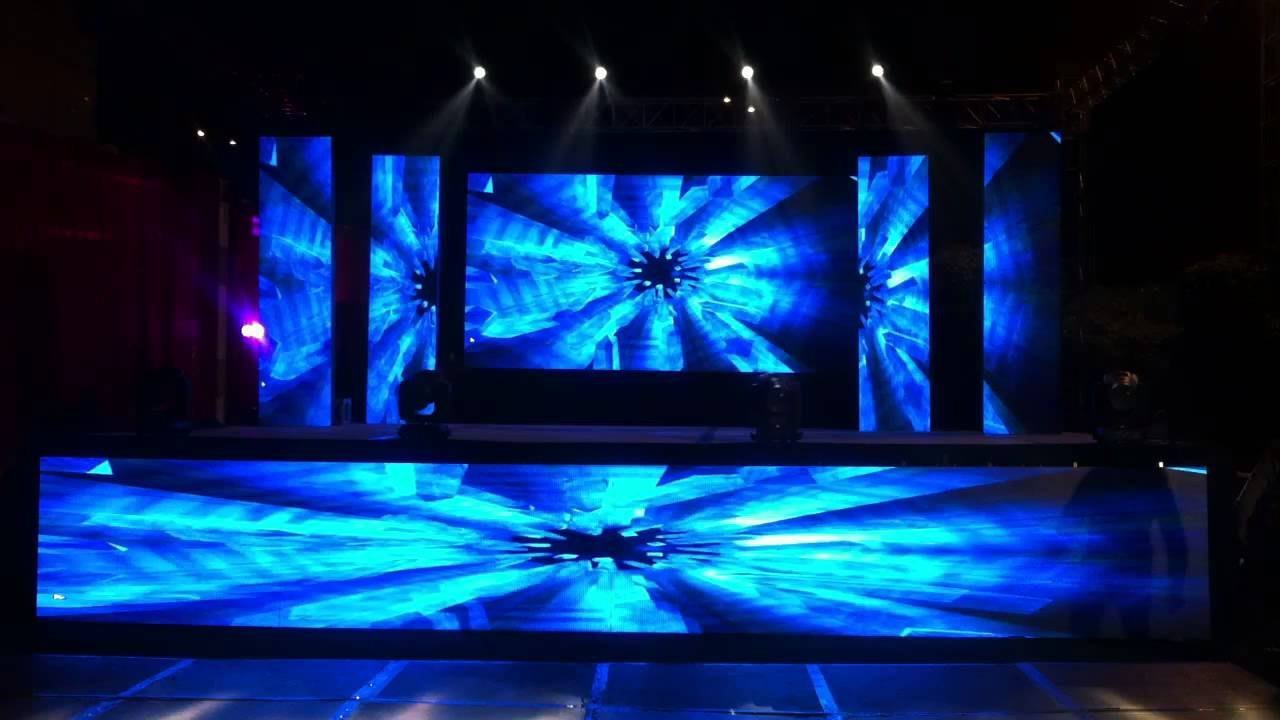
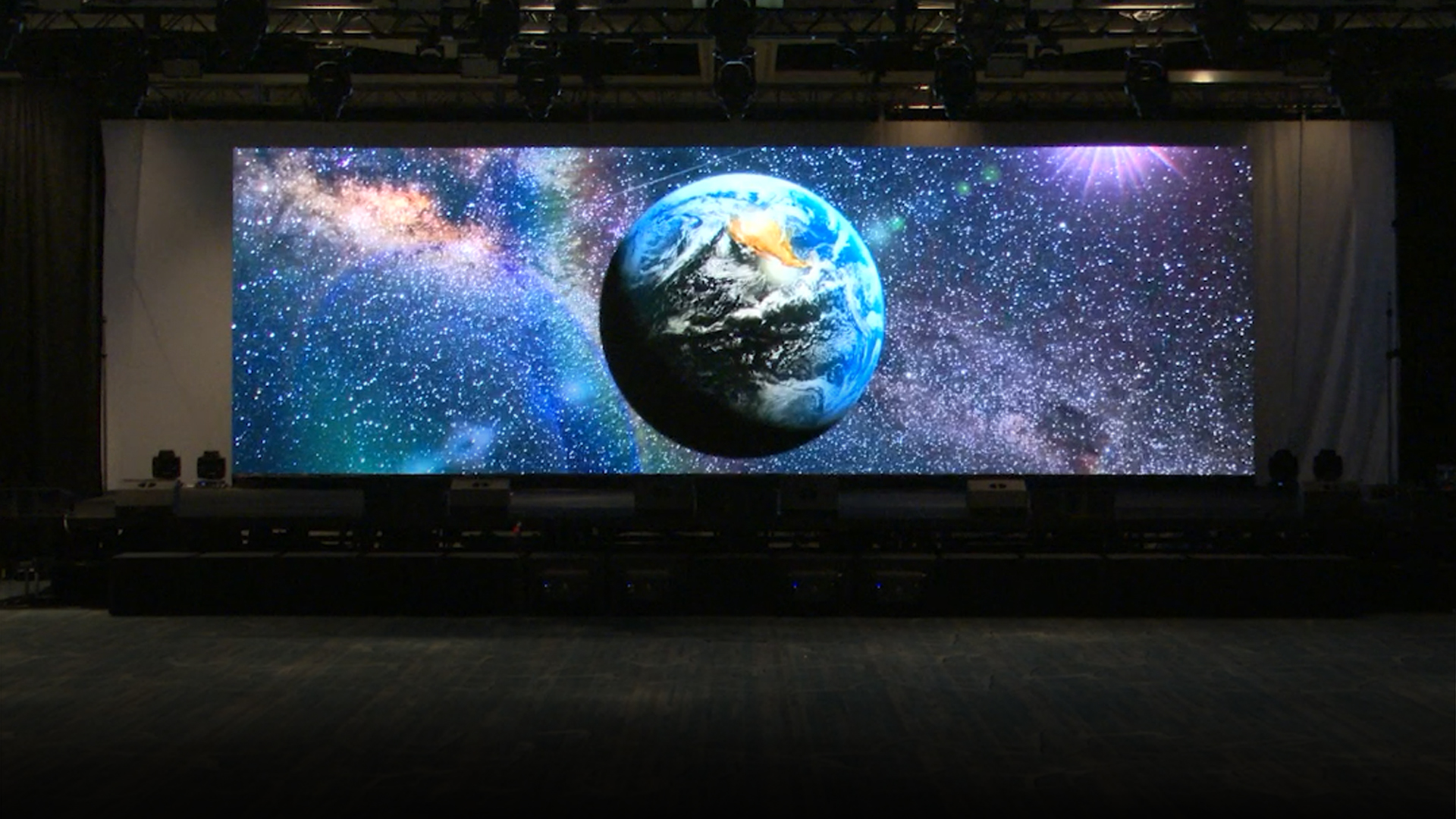
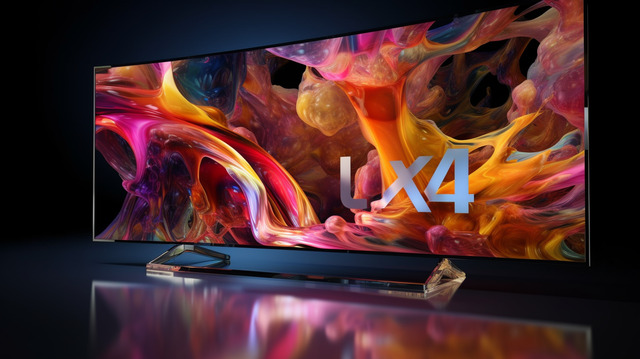
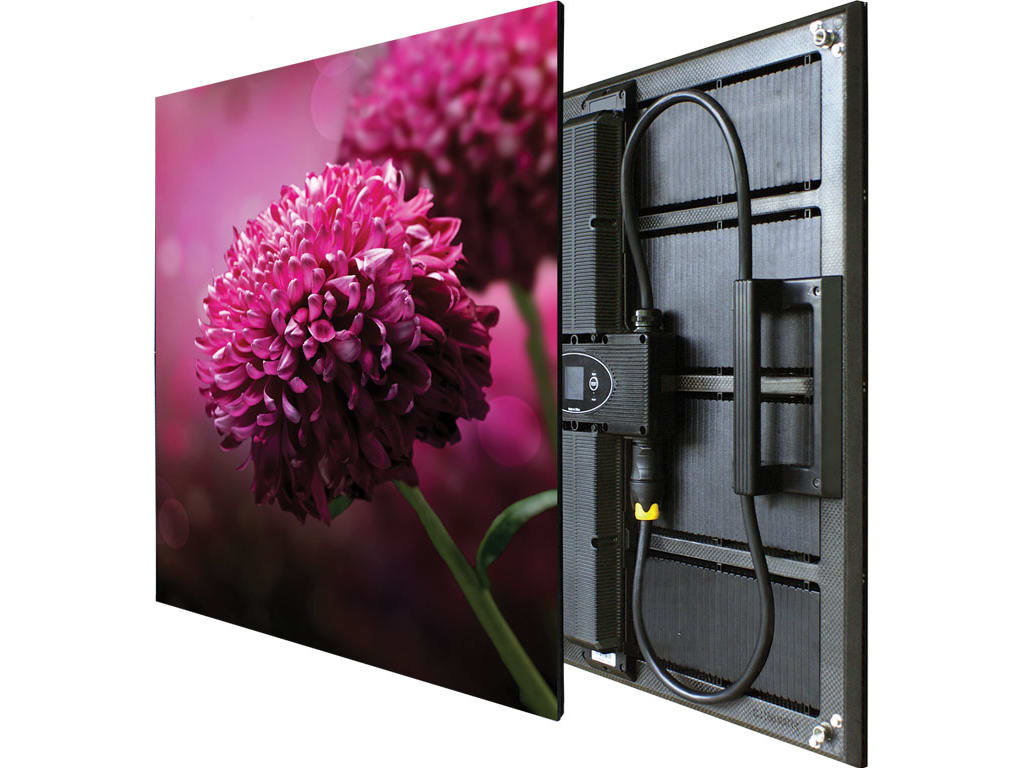
An LED Wall Display is the newest type of display that adopts LED technology.
LED stands for “light-emitting diode,” which is responsible for converting electrical energy into visible light.
What’s innovative about them is that each pixel on an LED display is made up of a combination of red, green, and blue LEDs.
Using different light levels, the diodes can then produce billions of possible colors, delivering real-to-life color depiction.
In the past, LCD wall displays were the most common solution, and these used LED or fluorescent backlights.
LED displays, thanks to their composition, are more energy-efficient than alternatives (including LCD displays)
while also delivering superior light intensity and better viewing angles.
Currently, this range of products is divided into two categories: traditional LED Displays and all-in-one LED Displays.
An LED wall display can be used in a wide range of different settings.
Within the field of education, for example, schools and universities can install displays in the entrance halls or auditoriums to make announcements,
share important information during an assembly, or show presentations.
Wall displays of this kind can also be implemented in museums, during leadership summits, festivals, conferences or events,
or as part of an upgrade to a more modern workplace, where an LED display can enhance both communication and collaboration.
The major benefit of acquiring an all-in-one LED wall display is the ease with which it can be delivered, installed, and maintained.
The newest iteration of LED makes use of a modular design, which allows for frontside maintenance,
hot swapping of defective modules without changing or turning off the entire display,
as well as fast installation times.
All-in-one displays will include a built-in power supply system, control system, display system, and image stitching system.
Additionally, these comprehensive LED displays boast rapid startup times and excellent user-friendliness.
They can be installed by just two people in as little as two hours. By comparison,
a typical LCD wall display will usually require a small team of three,
four, or five people, and is likely to take around four hours to install.